Adventures #44: A different kind of range
There was a delivery waiting for me. International mail.
Inside the well-travelled packet was a nonfiction book with a mint green cover. It was a gift from a good friend, sent following our conversations about their career transition. They’d left a touching handwritten note on the first page.
By now you may already know the book from its distinctive colour.

‘Range’ by David Epstein looks at generalists - those with range - and why they’ll succeed in a world of specialisation.
The book makes some compelling arguments and I enjoyed many of the wide-ranging (yes, I know…) anecdotes and studies, yet found myself frustrated that it didn’t do much to acknowledge the tension of reality.
Generalists may indeed be able to conjure interesting ideas and innovative solutions for all kinds of problems, but most of the world doesn’t really care.
Post-pandemic, my bet is we’ll see a small number of very large companies with outsize influence, and a very large number of small companies (with a noticeable growth in one-person businesses).
I don’t see the huge companies wanting generalists; they just don’t fit the required molds. Meanwhile, a significant number of the small operations will be part of the ‘passion economy’ (which I linked to last time). Here, the received wisdom is very much on niche specialisation - becoming almost maniacally narrow in one’s focus.
It’s great advice - unless you have range. Niche specialisation can be repellent to the generalist: it’s boring; restrictive; a waste of possibility.
Where’s the space for the generalists in this new world? Somewhere in the middle, perhaps. But when the internet is involved (and the internet always gets involved eventually), the middle gets squished.
Where else? The generalists can build their own worlds, or become multi-experts. Both valuable, but certainly tough.
As Epstein suggests, generalists are creative, adaptable and flexible - just what the new world demands. The skills are valuable, but the value is hard to realise and capture.
Right now, many of us are being pulled between generalist and specialist. There’s tension in not knowing which way to go; or where to put our time and energy. A strange concertina effect begins to happen:
Learn new things; Diverge. Get specialised and focus; Converge. An emerging trend to explore; Diverge. Be specific; Converge. And so on.
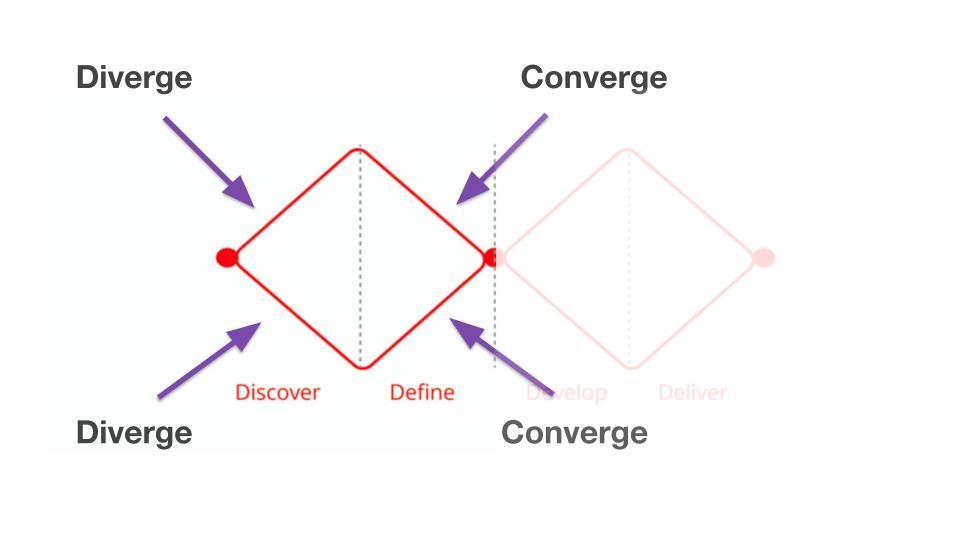
This can be exhausting. It bends us out of shape. Instead of shapeshifting, we’re a single 2-dimensional shape - one’s that being stretched and contorted.
This tension between generalist and specialist is both macro (our broader careers), and micro (our projects, presentations, and conversations). Which way to go?
But what if that’s the wrong question to ask?
Here’s a different one that may be more empowering to help find the thread and concentrate the mind:
What do they remember you by?
Maybe it’s your niche specialism or your job title, but I bet this little question opens up something more.
The ‘what’ starts to uncover the ‘why’ and the ‘how’. Personality and quirks emerge; there are angles and shades; contours and colours rather than black & white checkboxes. And ‘they’ is whoever you want them to be. Clients, peers, or the person you want to meet but haven’t just yet…
Try talking through it with a friend, a mentor, or a sparring partner.
I still don’t quite have my own answer yet, but it’s well worth a wide-ranging journey to explore.
What do you remember me by?
And what can I remember you by?
Let me know what comes to mind. Just hit reply.
Career Fuel
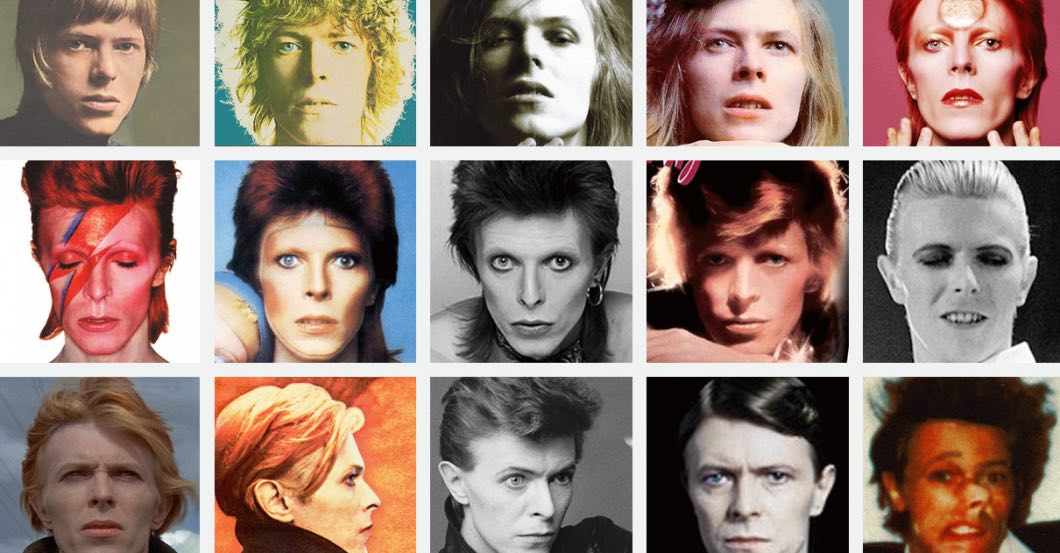
Be Like Bowie: I wrote this a while ago, but keep returning to it. As it happens, this post is about a meeting where a very successful person told me with absolute certainty that I’d “never build anything of material value”. I still think of him from time to time.
Our remote work future is going to suck: Two key points stand out for me on this one: the future is in blended experiences (work, learning, gigs, whatever); and we’ll see far more localism (which may have a bunch of second-order effects…)
Speaking of generalists, I made a couple of very small contributions to this post on polymaths and generalists by my pal Salman. It got pretty popular - he nearly doubled his newsletter following in just a few days (note to self: write better stuff!).
Learning < > Doing
How to calculate the time you need to build a workshop: A guide I wrote on how to use a few simple formulas to figure out your design and development investment.
mmhmm: I haven’t been this excited about a new bit of software in a long time. I’ve long thought about Ableton / Traktor for learning (live performances that can be pre-planned, completely freestyled, or a combo). This may well be it… except I’m still on the waitlist :-/
Culture
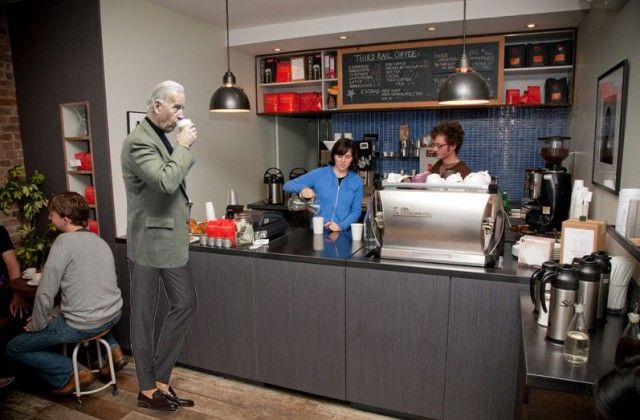
Back to the coffee shop: A new bit from me. This is a tale of small business, classic jazz, old neighbors, and new friends.
I May Destroy You: Plenty to take in here. There’s laddering from one media to another (from poem, to spoken word performance, to script, to TV); Hollywood accounting; and retreats to the wilderness - let alone the importance of the show’s subject matter. It’s also been bittersweet to watch a TV show filmed on many streets I used to walk down.
Entertainment < > Entrepreneurship
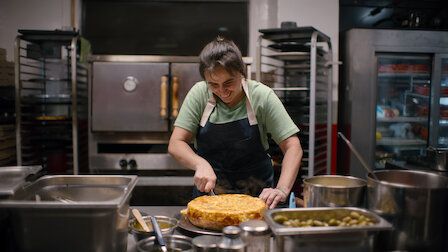
Street Food Latin America: I watched the first 3 episodes of this last night and it’s wonderful. Each is a story of culture and community; constraints and creativity; conventions and kicking against them. It’s Entertainment, Entrepreneurship, and Education blended into something delicious and authentic. And there’s a lot of queso.
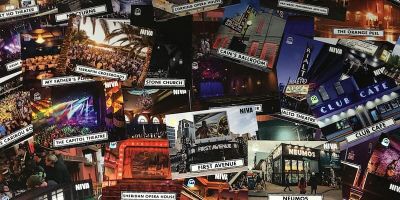
Music Industry Business Models: The music industry is again in flux: magazines going under; venues under threat; virtual spaces emerging as a real thing. With Spotify’s Daniel Ek getting a pasting over his comments around musicians needing to ship constantly, many artists and record labels - like it or not - urgently need new models. One path forward is through the humble membership club - here’s an example from Life & Death. I expect lots more of this to come (and it’s a great opportunity for smart consultants).
Hulu brings in small businesses: This is a smart move. Small businesses are going to be hugely important in the recovery (as well as being underrated sources of community and innovation). There’s also still a certain magic in having your brand featured on ‘proper’ TV.
Jukebox
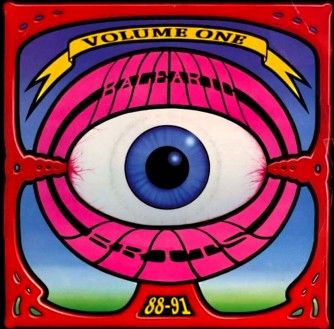
Last month’s edition dreamed wistfully of Ibiza’s sunny climes. This month’s jukebox pushes the feeling on, with a 3-part Balearic selection from James Cooper - complete with copious sleeve notes and trippy artwork. See you on Cala Benirrás.
Footnotes
Other things I’ve been up to this month:
- Searching for a digital marketing maestro (is this you? let me know).
- Strongly considering moving to Brooklyn. Manhattan doesn’t make much sense right now.
- Feeling anxious about time. There’s never enough, it’s running out, I’m not getting things done quickly enough. Urgh.
- Watching ‘The Bodyguard’ at the Tribeca Film Festival drive-in. Popcorn, non-alcoholic beer, and Kevin Costner’s full expressive range (he’s more a niche specialist) - all from the safety of a Nissan Rogue. What could be better?
Lastly, Adventures are always better together. I’d be delighted if you could share this with a friend, or even a foe.



Member discussion