Groove Theory #20 - The Little Green Arrow
Not yet a subscriber? Sign up. Or explore the Groove Theory archive →
I'm your host, Howard Gray, founder of Wavetable - the experiential education studio (with a new website, no less!)
Currently: feeling excited and concerned about A.I impacts; discovering my 4 year old has quite the taste for olives and sriracha mayo.
Paris Gare Du Nord, last Tuesday afternoon. I'm off a Eurostar and into town. I'm not big on taxis - my default is the metro, a slice of life. So I opened Citymapper.
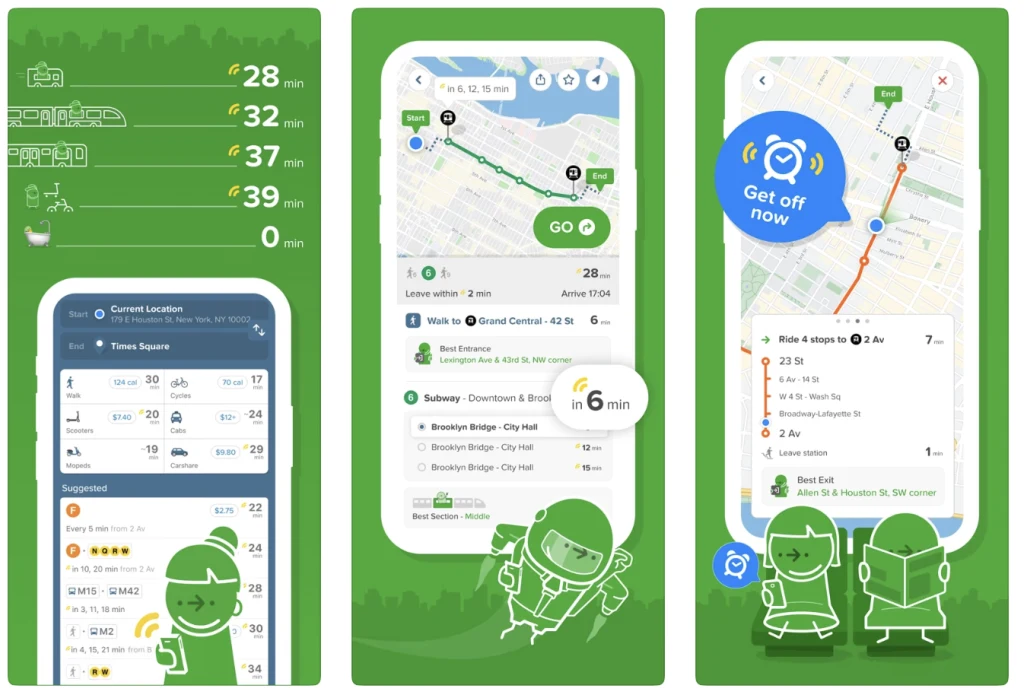
It's the same green app as when I use it elsewhere. Same logic, same UI. But Paris. The little illustrated character has changed. The metro lines are different. It knows about the RER, the night buses, the Métro exits that get you closer to where you're actually going.
The app feels effortless. Getting there wasn't.
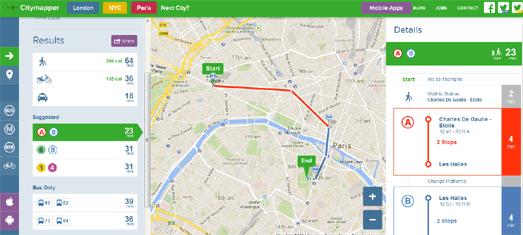
Azmat Yusuf was a Google engineer who couldn't figure out how to get across London. He'd grown up in Pakistan and Kuwait, lived in New York, Singapore, Washington - and never owned a car. The Tube map was beautiful - that iconic diagram with its clean geometry and colour-coded lines - but it was useless for actual journeys.
It didn't know about buses. It couldn't tell you which exit to use. It had no idea it was raining.
So in 2011, Yusuf built something else. First it was called Busmapper. Then it became Citymapper.
Transport for London had just opened their data - real-time bus locations, service disruptions, the lot. Yusuf saw it and thought: this could be useful. Like knowing your bus is three minutes away instead of staring at an empty stop.
Every other app tried to make the city simpler. Citymapper did the opposite - it surfaced the mess and helped you anyway.
From the outside, Citymapper looked like magic. It was beloved by users. Featured in every "apps that changed cities" listicle. The kind of startup that seemed destined for a billion-dollar exit.
Underneath, it was different.
The Tension
City by city, they rebuilt. London first, then New York, Paris, Berlin, Tokyo, Madrid. Each time adapting to local transit culture rather than imposing one system. New York's version understands subway delays differently than Tokyo's. Berlin's integrates cycling in ways that wouldn't make sense in São Paulo.
In Groove Theory #16, I talked about a beautiful map that nobody wanted - a designer who created something geometrically perfect, then blamed users when they couldn't use it.
Citymapper went the other way entirely. They didn't try to fix the user. They met the city where it was.
The principles transferred. The implementation bent.
And then they tried to become more than a map.
The Citymapper London Pass was their first attempt to become an operator. £31 a week for unlimited Zone 1-2 travel, versus TfL's £35.10. The difference? Citymapper paid it themselves - subsidising customers' travel, losing more money with every success.
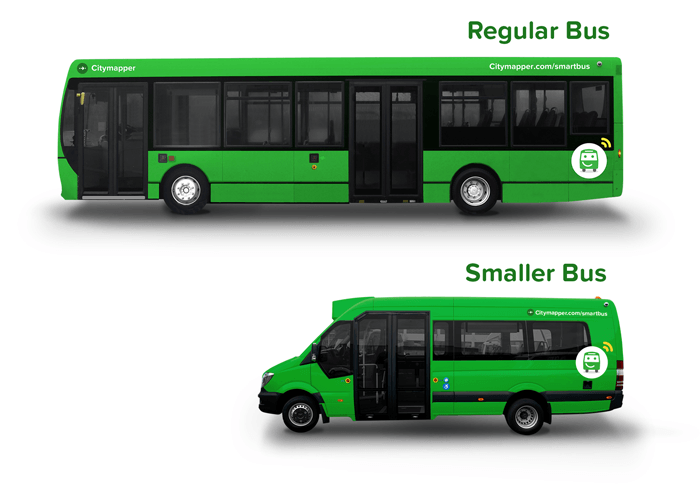
They also launched their own bus routes - the "Smartbus" - trying to fill gaps TfL wouldn't. Except TfL wouldn't let them run actual buses. So they used 8-passenger vans instead. Brilliant navigation expertise, applied to operations they weren't even allowed to fully operate.
The expertise was there. The permission wasn't - at least, not then.
In 2023, they sold to Via and stepped back from operating entirely. The guide who knew every gap in the system couldn't afford to fill them.
But even through all of that, the original instinct never changed.
Step Into It
Many of us are in the advice business. And at some point, someone asks the question:
Why aren't you operating instead of advising?
Why not own the problem instead of consulting on it?
The opportunity looks logical. You know the terrain better than anyone.
Why keep pointing at the mountain (or selling guidebooks) when you could climb it yourself?
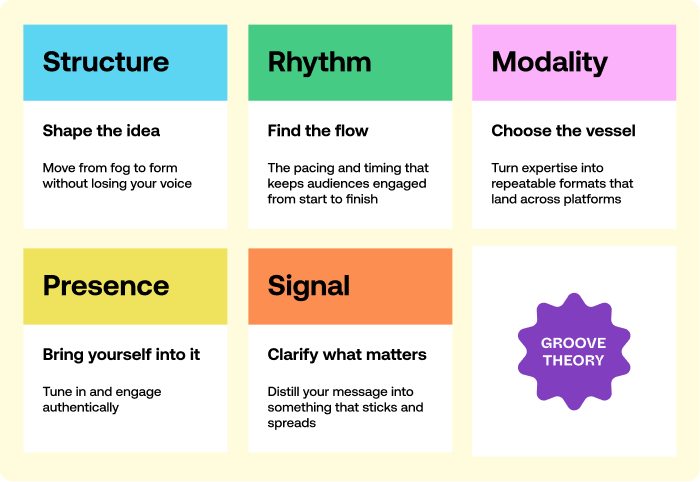
The Groove: Modality
Choose the vessel. The same idea lands differently depending on its container.
Citymapper's breakthrough wasn't just surfacing real-time data. It was realising that transit navigation didn't want to be a map at all. It wanted to be a real-time assistant that happened to include maps. They changed the container entirely.
The city-by-city adaptation was also a modality move. The same core expertise was expressed differently depending on context. London Citymapper isn't NYC Citymapper isn't Tokyo Citymapper. The format flexes.
But there's a subtler question here: guide or operator?
Same expertise. Same understanding of the territory. But different jobs.
Guides help people navigate what's already there. Operators become part of the infrastructure itself.
Citymapper tried both. The guide worked. The operator didn't fit.
And that's the modality question - not just what format you choose, but where you're trying to sit. Your playbook has to match the position.
1. The mess is the feature
When everything else was trying to simplify, Citymapper said: the complexity is real, so let's work with it. Sometimes the honest answer isn't a cleaner abstraction - it's better tools for navigating what's actually there.
2. Context before transfer
The principles travelled. The implementation didn't. They couldn't copy-paste London into Berlin. Every city needed its own understanding first. What works here might not work there - even if the underlying problem is identical.
3. Know which game you're playing
Citymapper's guide-to-operator pivot wasn't wrong in theory - it was wrong in timing. The rules about who gets to operate are shifting. What didn't work in 2018 might work differently now.
Modality is one of the five elements of Groove Theory.
The Release
There's a reason the best guides don't become the thing they're guiding you toward.
The bartender who knows every cocktail doesn't open a distillery.
The film critic doesn't direct movies.
At least, that was the old lesson.
I was in Paris to deliver a live simulation on Decision Making and a keynote on AI acceleration.
In the keynote I suggested there are three bets we’re making in the AI era. One of those bets is to become the Orchestrator.
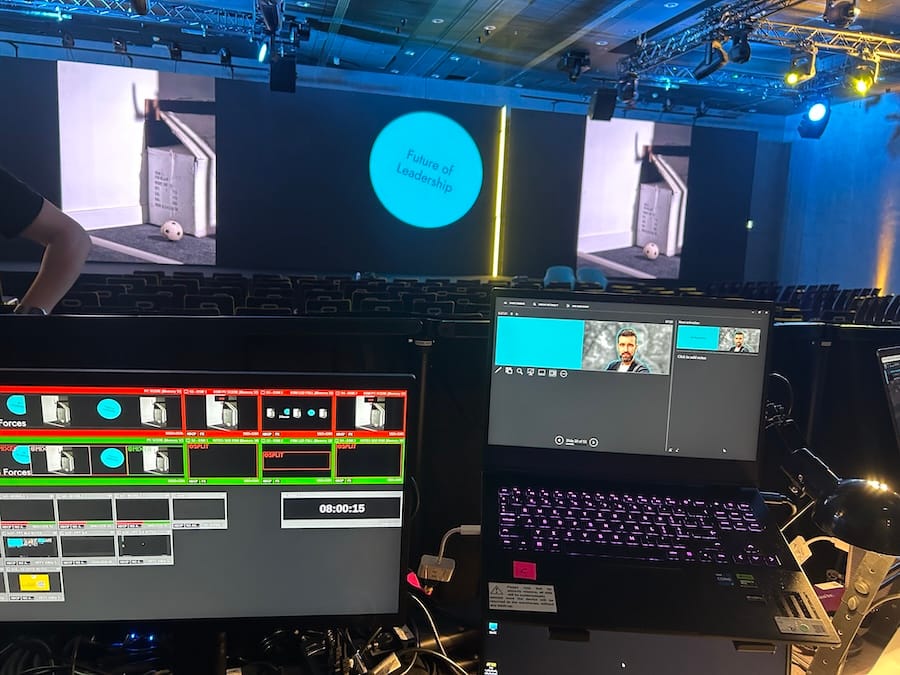
We’ve shifted from an adoption era to an orchestration era.
Adoption was about bolting on tools. Orchestration is bringing platforms, people, and processes together as a cohesive system.
Citymapper was peak adoption. A truly brilliant layer on someone else's infrastructure. When they tried to become the operator, they stumbled - maybe because they were still playing by adoption rules.
Would it be different if they tried it today? I don’t know.
But maybe the question isn't whether to become the operator. It's whether you're still playing by adoption rules in an orchestration world.
Howard
Extended Mix
- TfL's open data initiative: In 2010, TfL opened their APIs: real-time bus locations, service disruptions, everything. This decision created the ecosystem that made Citymapper possible. Infrastructure choices ripple.
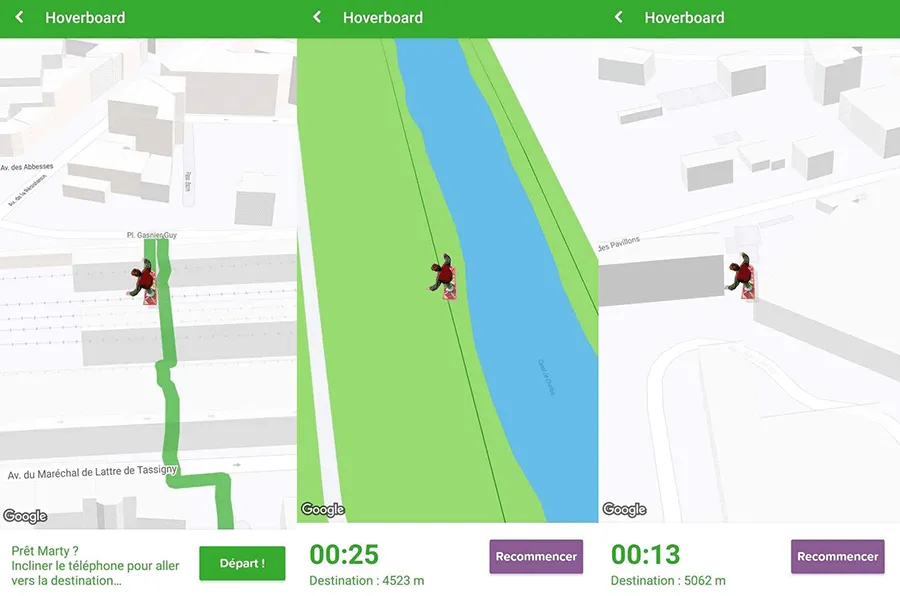
- The jetpack option: Citymapper shows "jetpack," "teleporter," and "catapult" as transport modes. When users complain they don't work, the FAQ responds: "Hey, we said it was in beta!". The humour is localised too - in Singapore, the catapult animation features a famous local actor in his iconic yellow boots. In Paris, it’s Emmanuel Macron.
- Citymapper's business model breakdown: Mapping, buses, subscriptions, and the pivot that didn't quite work. A clear-eyed look at what they tried and why the economics never quite worked.
Member discussion