Groove Theory #22 - The Fourteen Hour Queue
I'm your host, Howard Gray, founder of Wavetable.
Currently: exploring IMDbPro for keynote speakers; ranking Vermouth as the go-to tipple.
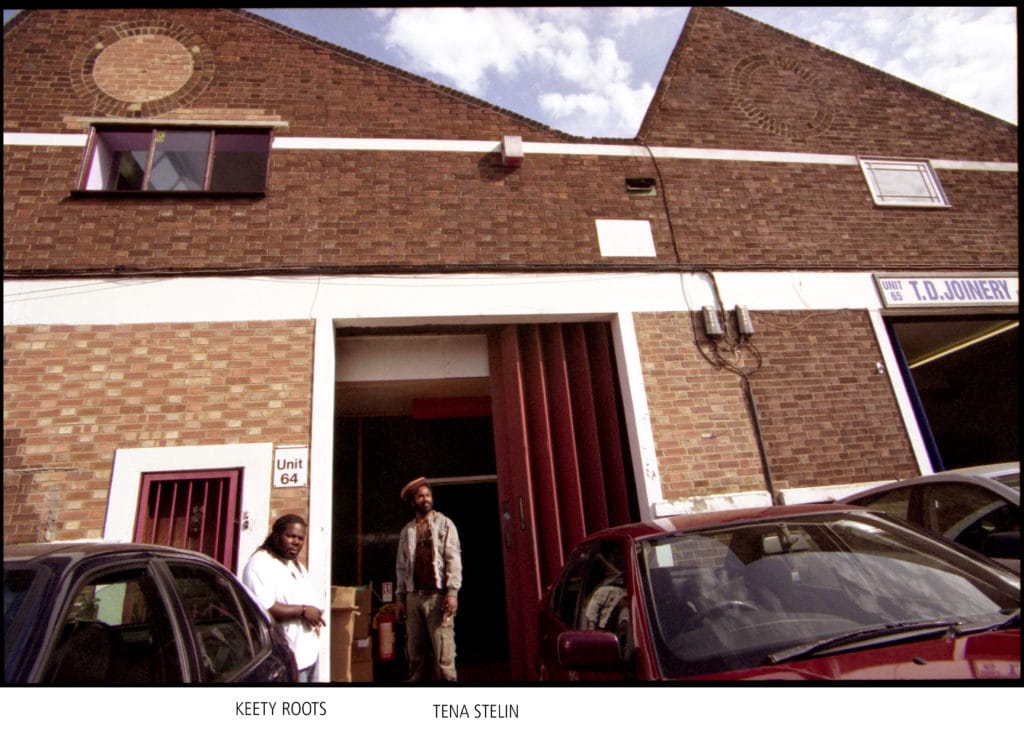
It's Friday afternoon on the Millmead Industrial Estate in Tottenham, north London. Damp brick, scrap metal, grey sky. The kind of place nobody passes through unless they mean to.
Unit 64 contains heavy machinery, same as the rest. A few engineer types manning the gear.
Except two things are different.
First, clusters of figures in Tommy Hilfiger, Nautica, Nike Air Max. Puffer jackets, hoodies, baggy jeans. Ten BMWs and Mercedes parked outside.
Second, the muffled rumble of very loud music.
Because this place - believe it or not - is the hub of the UK's most cutting-edge music scene. And these people are about to spend fourteen hours in a queue together.
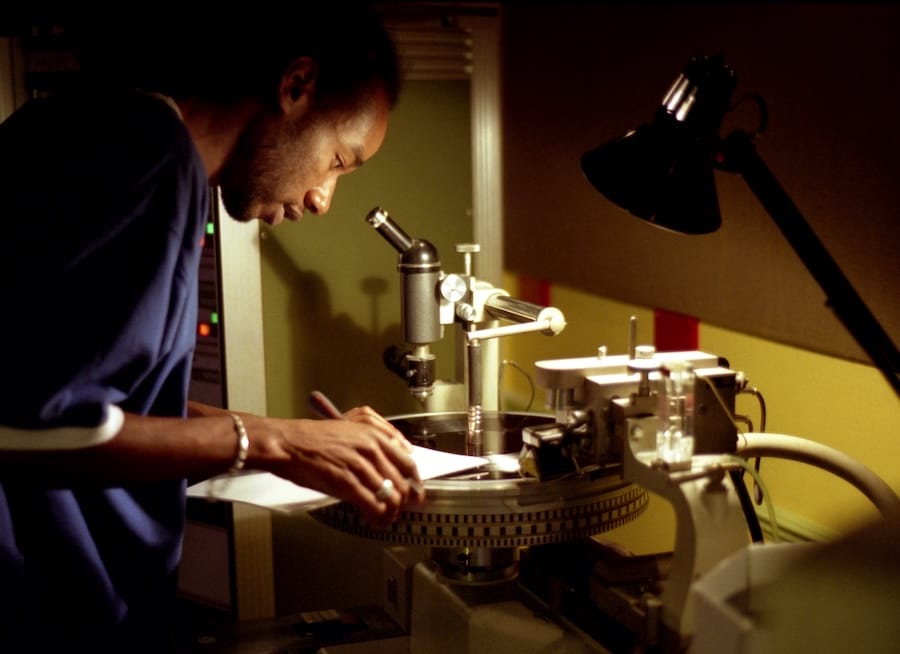
Music House was founded by Chris Hanson, guitarist in the British-Jamaican reggae band Black Slate. When the band split in '84, he sold his car, bought a mono cutting machine, and started making dubplates out of his house in Finsbury Park.
A dubplate is a one-off disc - metal coated in lacquer, music carved into its surface by a lathe. It's a handmade record. Heavy. Warm. And temporary: maybe 20 to 50 plays before the grooves wear out. In the 90s, each one cost up to £45 to cut (£110 / $145 in today's money).
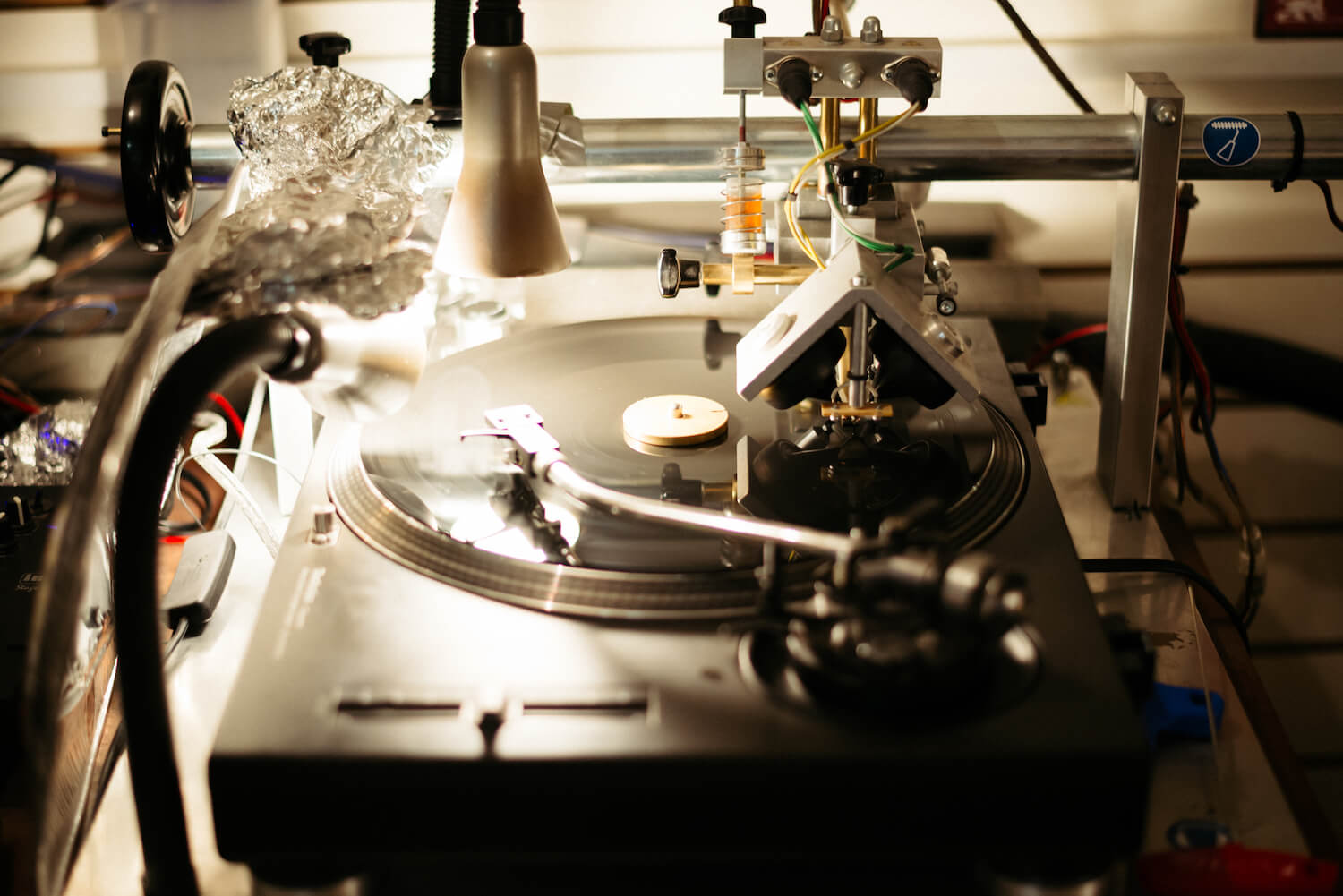
For Jamaican sound systems, dubplates were weapons - exclusive tracks cut to destroy rivals in a sound clash. That idea travelled to London, and Music House became its home. By the mid-'90s, the studio had moved to Tottenham, and a new generation of electronic music producers had claimed it as theirs. There was no booking system. No appointments. Just a queue that could stretch fourteen (yes, 14) hours on a Friday.
Here's how it worked. A producer finishes a track in their bedroom, records it to tape, brings it to Music House. Engineer Leon Chue cuts it onto the disc. By that evening, a DJ is playing it to 500, 1,500, maybe 5,000 people. Bedroom to dance floor in a day.
But the cutting process was public. Everyone heard everything.
The Tension
I used to hear about Music House when I was a teenager. It sounded intense. Turns out it was.
DJ Hype called Music House a "schoolboy playground." Everyone queued in the same industrial estate, into the same music - but all rivals. You couldn't bring a weak tune, because everyone heard it through the walls whether you liked it or not.
Frenemies. You needed them - the scene only worked if everyone kept raising the bar. But you were also rivals.
There was a pecking order. Top DJs - Grooverider, Andy C, Fabio, Goldie - had first access to the freshest productions. Producers handed them tapes directly. Dillinja put it bluntly: "Our best music was held on these metal discs. You'd only give copies to certain DJs that were on the right level."
As an upcoming producer, if your tune landed in one of those record bags and got played that weekend, something shifted. Not a guarantee - but if the crowd demanded a rewind, you knew you were onto something.
So you'd wait - for hours, in a damp alley - next to the person whose tune you just heard through the wall. The one that was better than yours.
Step Into It
There are rooms like this in every field. Places where the stakes feel higher not because of the audience size, but because of who's in it.
It's not the keynote stage in front of 2,000 strangers that makes your palms sweat most. It's the room with fifteen of your peers. The ones who actually know the work. The ones whose approval means something.
The producers at Music House knew that feeling every Friday. You're handing your tape to the engineer, and through the wall you hear something massive that just got cut. The person who made it is ten feet away. You're friends. You're rivals.
The Groove: Signal
Clarify what matters. Distill your message into something that spreads and sticks.
Music House worked because Leon Chue was exceptional at his craft. The cuts were clean. The levels were right. The acetate was pristine.
And because it was pristine, the right people kept showing up. What Brian Eno calls a "scenius" - a scene that makes everyone in it better - assembled around the skill, not the venue.
If you were new, it was terrifying. You'd walk in and see the scene's top players: Randall, Kenny Ken, DJ Rap, Mickey Finn, Ed Rush - everyone was in there. And because the track plays as it's cut, everyone heard everything. Your work, exposed. No hiding behind a SoundCloud upload. No "work in progress" caveats.
Music House was a signal machine, and it worked on three levels.
First, the dubplate itself. Scarce, physical, impossible to fake. Owning one meant someone trusted you with their work before the rest of the world heard it. The disc in your bag said something about you before you even played it.
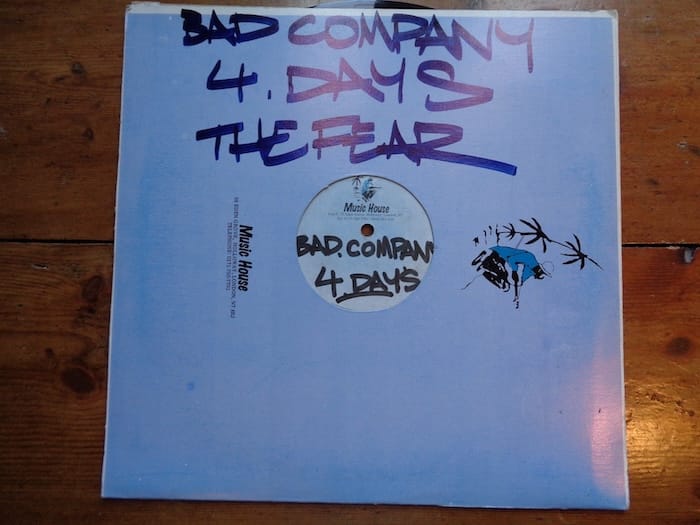
Second, the DJs who carried them. Get your track picked up by Grooverider, and it entered a circuit - pirate radio, the rave, the record shop queue on Monday - that you couldn't access alone. He didn't just play your tune. He endorsed it with his reputation every time he pulled it from the bag.
Third - and this is the most interesting bit - the queue itself. You weren't just waiting for your turn at the lathe. You were being sized up by your peers in real time. Your reputation got built in that strange industrial park before anyone in a club heard a note.
1) Scarcity matters.
Fifty plays, maybe, before the acetate wore through. Every spin cost something - which meant DJs didn't waste slots on tracks they weren't sure about.
2) The format enforces taste.
The feedback loop was immediate. You heard your competition's work before they left the building. No waiting for release dates or streaming numbers - just raw, real-time exposure that made hiding impossible.
3) Iterative loops.
Leon remembered what you'd brought before, how it sounded, whether you were improving. The cutting room had a longer memory than any algorithm.
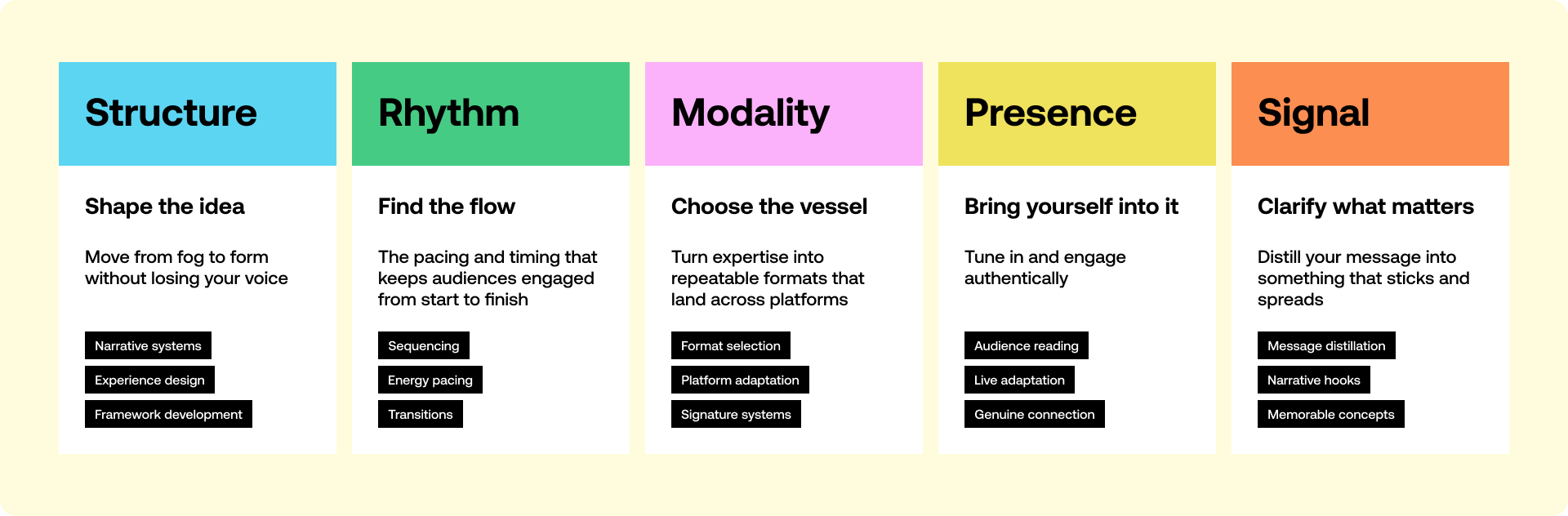
Signal is one of the five elements of Groove Theory.
The Release
Most of us obsess over the stage. The social post. The all-hands meeting. The place where we perform the work.
But Music House wasn't a stage. It was a back room in a grimy industrial unit - squished between a mechanic and a cafe, scrap metal outside, no signage, a pain to get to. Nobody queued fourteen hours because the place was flash. They queued because Leon Chue was that good.
That's the sequence: craft creates the queue. The queue creates the scenius. The scenius creates the signal.
The scarcity, the pecking order, the frenemy energy - all of it grew out of one person's devotion to doing the thing well. The impresario part wasn't about production values. It was about what happened when people got there.
Eventually, digital killed the dubplate's monopoly on exclusivity. Fabio once spent £110 on cabs and cutting for a single plate, then arrived at his own club night and heard the warm-up DJ playing the same track off a CD. That was roughly the moment.
Leon died in 2020 at the age of just 44. Tributes came from every corner of UK underground music - jungle, garage, reggae, grime, dubstep.
In a world where anyone can produce anything, the rooms where craft gets tested by real peers become more valuable, not less.
Your Music House probably won't look like a music house. It might not look like much at all.
But if you're doing something well enough that the right people keep showing up - that's the start.
Puffer jackets optional.
Howard
P.S. The catalyst for this edition was a bus ride to Stansted Airport, passing through Tottenham's industrial estates. Sometimes the window does the work.
Extended Mix
- The pecking order had a pecking order: Grooverider got priority. But David Rodigan trumped everyone - he was Music House's longest-running customer. Seniority mattered.
- The economics: Fabio's accountant once told him his dubplate spending could have bought a million-pound house. He was cutting two hours of fresh dubs every week for his BBC Radio 1 show.
- The smell: Youngsta on opening a bag of dubplates: "very strong feelings." The emotional attachment wasn't just to the music - it was to the object itself. The weight, the warmth, the acetate.
- The tribute: Doc Scott, on Leon's death: "You were always kind, polite, a true professional and a beautiful person to be around." The engineer who scrutinised and tested everyone's work was, by all accounts, a gentleman.
Member discussion