Groove Theory #29: Minimum Viable Bedroom
I'm your host, Howard Gray - founder of Wavetable.
Currently: getting back into focused work of 6-week Cycles and 2-week sprints; pondering the second-order effects of repeated heatwaves.
I'm not really a hotel guy. Or maybe I am, but something's always off. The nice ones feel extravagant - all that space I don't use, the gym I won't visit, the picture on the wall for no one. The functional ones feel like a waste - why pay a premium for a box?
Copenhagen, I thought, might be different.
This week was our ninth Wavetable co-location. We're a remote company, so a few times a year we pick a city and work from there. This time: Copenhagen's Vesterbro neighbourhood.
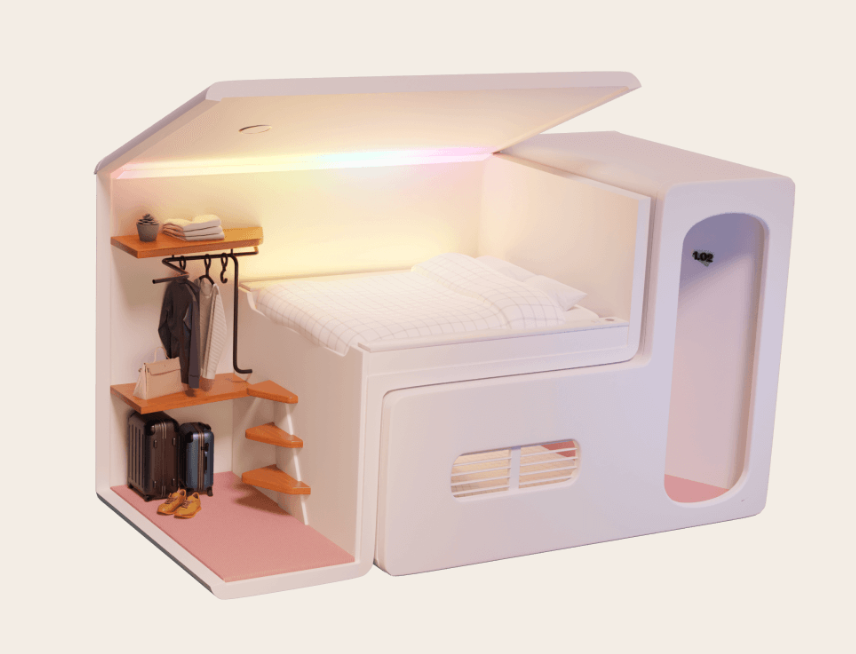
I found a place called CityHub - 215 ‘hubs’ across one floor in a former shopping mall. A hub is a sleeping pod with mood lighting. Shared bathrooms. And something called The Hangout.
I'm 6'6". Most pod hotels, I can't sit up in bed. The reviews said this one was different.
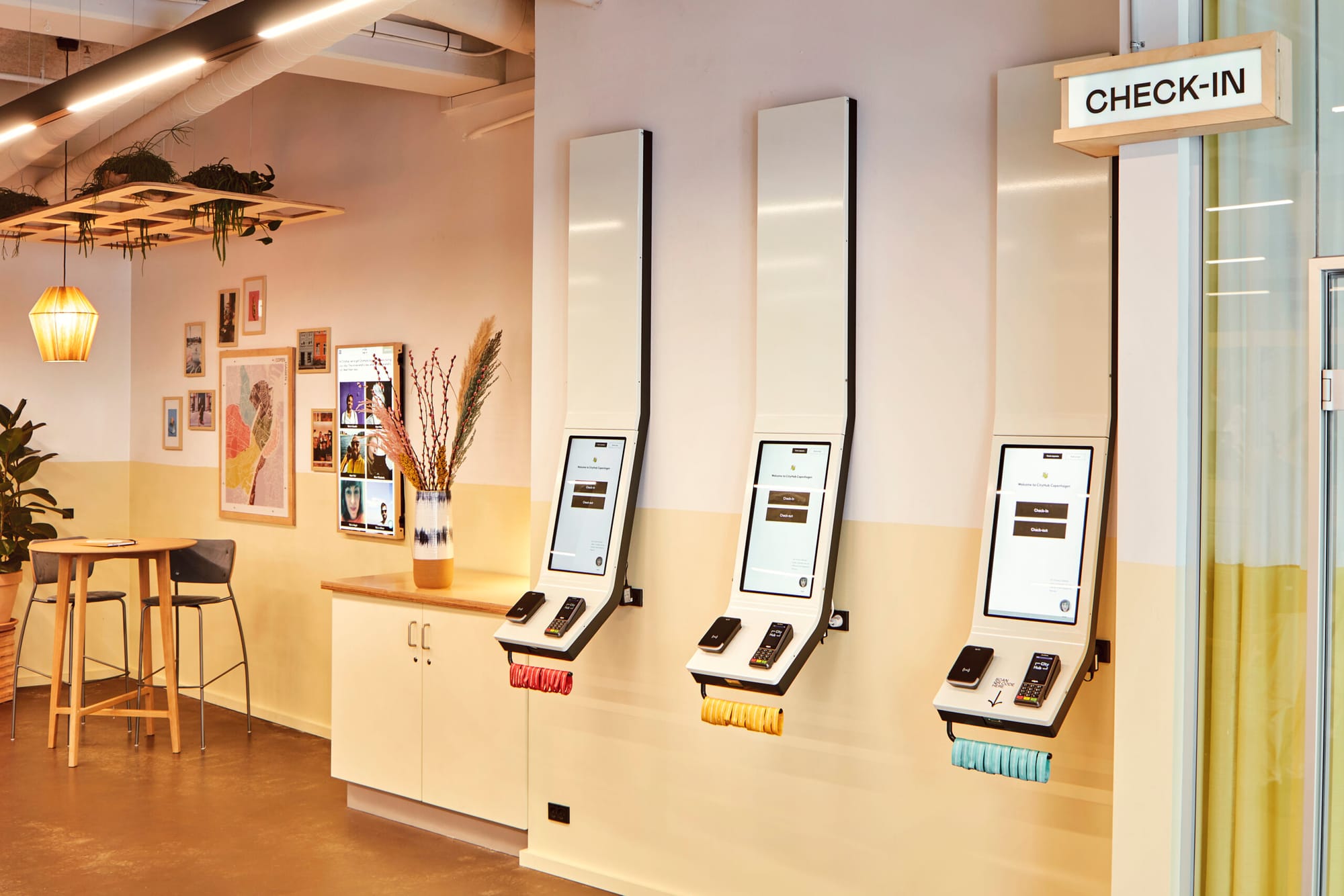
I booked it. Check-in was a wristband - also my room key, also checkout. No front desk queue, no plastic cards to lose.
Turns out the founders had started with the same frustration.
The Tension
Sem Schuurkes and Pieter van Tilburg met at university and started traveling together. They kept being disappointed.
Hotels charged for square footage they didn't use. Hostels had energy but lacked quality. Airbnb had the location but you never knew what you'd get.
Each format failed differently. And the territory between all three - the gap at the centre - was empty.
Their first prototype was four sleeping pods called "CityHub Bèta." Just enough to test whether anyone else saw what they saw.
In 2015 they opened 50 hubs in Amsterdam. By 2016, they'd won Best Innovation in Hotel Concept at the Worldwide Hospitality Awards.
As Schuurkes put it: "We had no hospitality expertise before opening CityHub, but I think that's why we became a success - we thought completely differently than the traditional industry."
Early on, people assumed they meant a capsule coffin. "Poorly automated booths where you'd sleep in a mailbox," as Schuurkes described it. They kept building anyway.
Their bet: push further than hotels had dared, as long as the right things stayed familiar.
Step Into It
Nobody wants to be one of many. But most of us are (if we're honest about it). So where do you look?
The interesting gaps aren't between us and the next person. They're at the centre of three or four competitors - where structure and modality keep everyone else out. Not where others are weak. Where they can't go.
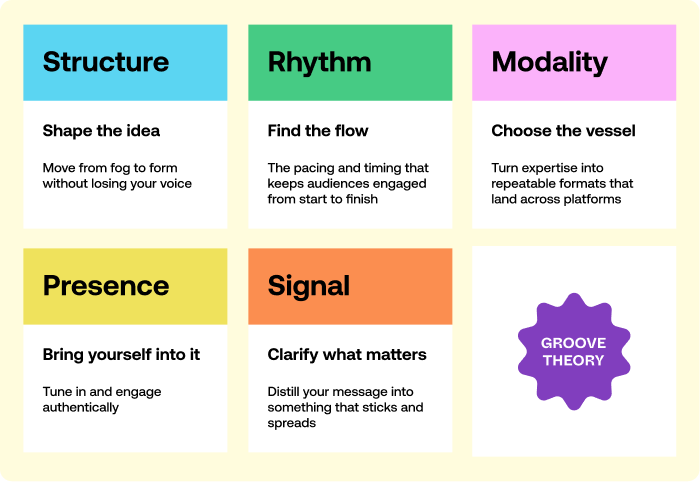
The Groove: Modality
Modality → Choosing the right vessel for your idea.
CityHub sits at the intersection of three formats:
- Japanese capsule hotel: The pod. Space efficiency. The bedroom as sleep function only.
- Hostel: The social layer. Community energy. A reason to leave your room.
- Boutique hotel: Considered design. Quality materials. The feeling of being cared for.
None of them could become what CityHub became. Capsule hotels have efficiency but no warmth. Hostels have energy but not quality. Boutique hotels have design but you're isolated, paying for area you don't use.
Reduction
The Copenhagen location is 215 hubs across a single floor - a former shopping mall redesigned by Spacon & X. Exposed ducts, the building's technical guts on display.
My hub was 6 square metres. A king-sized bed, not a single. Maybe 15 elements total. I used all of them.
USB charger. Coat hook. Mirror. Plant (I looked at it). Bed with a genuinely good mattress. Steps up to the bed. Shelf. Mood lighting via app. A robe.
Nothing inherited by default. No picture on the wall. No floor area. No minibar. No free coffee - but Buna & Co across the street (shout out to Hassan).
(I should add: this was June. Copenhagen in February, dark by 3pm? The model assumes you're leaving. In winter, I'm not sure I would.)
Calibration
Fernando and I walked Vesterbro that first night, the way we do on co-locations. Noticing how things work. CityHub kept coming up: why does sharing a bathroom feel fine here? Why doesn't 6 square metres feel like a sardine tin?
We'd spent Monday with EY's global experience innovation team, teaching Raymond Loewy's ‘MAYA’ principle - Most Advanced Yet Acceptable. 36 hours later we'd walked straight into it.

The CityHub mattress is surprisingly good. The robe - a proper kimono - is nice enough to actually wear. The shared bathrooms serve maybe 30 people across 10 cubicles. I was expecting hostel weirdness. Instead: quality finishes, nice products in the showers. There's a sauna, which feels random and kinda nice. Materials that say this was considered, not this was cheap. Somehow it worked.
Yotel - the airport pod chain - went minimal but cold. CityHub went minimal but warm.
Shared Luxury
Where did the saved square metres go? The Hangout - reception, co-work, lounge combined.
But there's something else. The bathrooms are nice because they're shared - boutique finishes become affordable when 30 people use them. The savings go back to you. And CityHub assumes you'll spend them in the city.
That's the bet: they're not trying to keep you in. No room service. No upsells. The room is where you sleep. Everything else happens out there - the restaurants, the coffee shops, the neighbourhood.
The whole thing costs less than a mid-range hotel. Turns out floor area is expensive - especially when most of us care most about the sleep.
1. The gap at the centre
We're probably in competition - the gaps may be small, but they're there. Look for the centre of three or four things, where structural reasons keep everyone else out. If in doubt, make a Venn diagram.
2. Count what you use
A hub has maybe 15 elements. Most offerings inherit 50 things by default - half go untouched. This doesn’t just apply to hotel rooms.
3. Know your mattress
The non-negotiable. The thing that makes everything else work. Sometimes it's so obvious you miss it. You're probably already standing - or lying - on it.
The Release
Last year I was at CES in Vegas. The hotel room was almost the size of my apartment. I used hardly any of it.
Copenhagen was different. A tiny pod on a floor of tiny pods. Strange solitude - alone but surrounded. The city became my living room. The hub was just where I slept.
I think that's the thing about modality. Shift the vessel and you can shift how people feel.
What's your mattress? Once you know that, everything else is up for grabs.
Howard
P.S. We've built open practice rooms around both MAYA and the world of hospitality - including The Front Desk, where you design customer experiences in real-time.
Extended Mix
- Modular by design: The hubs aren't built in - they're modular units that can be replaced, upgraded, or moved entirely. The building is a shell. The hubs are sustainable furniture.
- The shelter flip: Off-season, empty hubs become temporary housing through Homies Foundation. Same pods, same quality - just a different guest. The rooms don't sit vacant; they become shelter.
- MAYA: Most Advanced Yet Acceptable. Raymond Loewy's 1940s design principle - the industrial designer behind Lucky Strike packaging, Greyhound buses, Air Force One. His thesis: people want novelty but fear it. Push the aesthetics forward while keeping the function familiar enough to accept.

Member discussion