Groove Theory #27: The 32-Page Life
I'm your host, Howard Gray, founder of Wavetable.
Currently: searching for the key for my apartment windows (heatwave alert); building ten interactive practice drills in two weeks (no sweat…metaphorically, at least).
Saturday night by the bunk bed. Soft lamp and pajamas. My son picks a book from the pile. I read. We both get drowsy. And somewhere in the middle of those 300gsm pages, the thought drifts in: how hard could this really be?
Not parenting. That’s hard, make no mistake. I mean the books.
Not War & Peace. Not even a romance novel knocked out by AI. No, easier still.
Kids’ books. Fewer words than my supermarket list, cute stories any of us could make up.
Especially those illustrated biography ones. You’ve seen them - the little square format, the bold faces. Coco Chanel. Frida Kahlo. David Bowie. Same format, same typography, same distinctive style. They’re in every airport, every grandparent’s house, every classroom library.
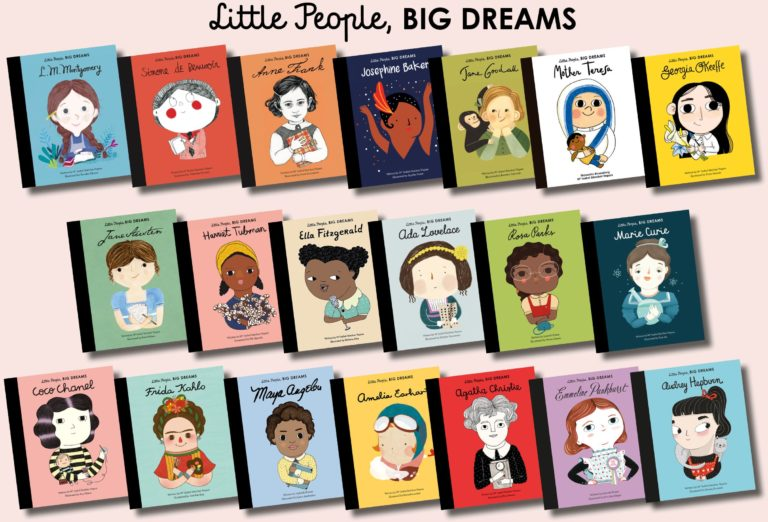
Then I realised: it’s one person.
One woman in Barcelona has written over 150 of these biographies. She’s sold 15 million copies in 40+ languages. Her name is Maria Isabel Sánchez Vegara, and she was past forty when she wrote the first one.
Which made me wonder what I was missing.
The Tension
In 2014, Sánchez Vegara’s twin nieces Alba and Claudia were born. She went to buy them a book about an inspiring woman - the kind of book she wished she’d had as a kid, growing up idolising Pippi Longstocking and the Spanish poet Gloria Fuertes.
It didn’t exist. So she wrote one.
The biggest problem she faced was compression. How do you fit Coco Chanel into 32 pages? Every turning point, every significant choice, distilled to something a six-year-old can follow while sitting on a parent’s lap? Harder than it sounds.
But she’d been training for exactly this problem for 20 years without knowing it.
Before the biographies, Sánchez Vegara was a copywriter and creative director in Barcelona ad agencies. Headlines. Storyboards. 30-second spots. Two decades of making big ideas fit small spaces.
“Working in advertising,” she says, “you learn to condense information as much as possible.”

Headlines became 32-page stories. Storyboards became illustrated spreads. The skill she’d built - condensing for a distracted audience - turned out to be perfect for condensing a life. The format stripped everything back: childhood → struggles → one contribution. Same arc, every time.
The formula looks like a shortcut. But the discipline is in the cutting - knowing what to leave out so a child can feel something true about a person they’ll never meet.
Step Into It
A couple of weeks ago I went to a dinner. 18 people at a big long table. I didn’t know any of them.
The host put me on the spot: “Howard, remind us what your company does?”
I could feel the room. No one wanted a 2-minute answer. 30 seconds, maybe. So, how about 3 seconds?
“Harvard Business School meets flight simulator.” Eyebrows raised, conversations continued, then a few people came up to me later to chat. It worked.
You’ve been there. Someone asks what you do. You could tell them everything - the full context, the nuance, the accumulated complexity, what makes it interesting to you.
Or you could compress. The essence, not the exhaustive. What do you cut?
The Groove: Structure
Shape the idea.
Sánchez Vegara reads her drafts "as if I was six years old." Not writing down to children, but remembering who she was.
That’s harder than it sounds. Your six-year-old self isn’t sitting around in your memory, fully formed and ready to consult. You have to reconstruct them - what confused them, what bored them, what made them lean in. What did that kid need to feel something true about a stranger? Not every fact. Not the full CV. Just enough to care.
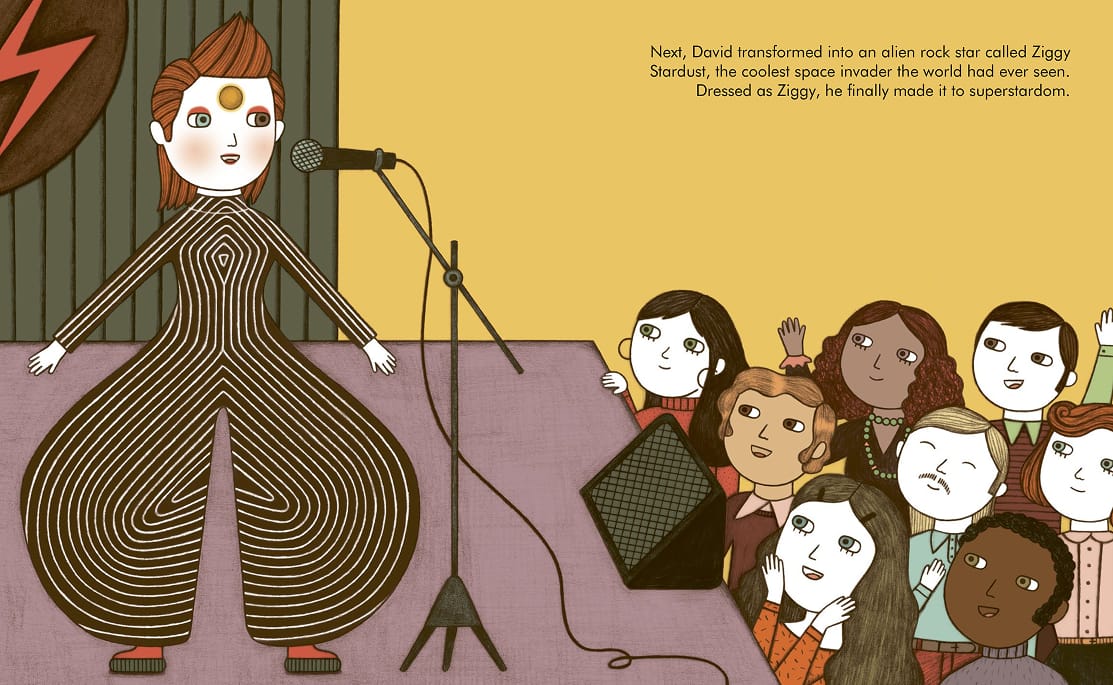
32 pages is a hard limit. But constraints force choices - you have to decide what matters. The arc of Little People, BIG DREAMS is broadly: Childhood → struggles → one contribution. If it doesn’t fit that arc, it’s doesn’t make the cut. (Ever notice how the best elevator pitches work the same way?)
She’s done this 150+ times now. There’s a different illustrator for each one - Gee Fan Eng in Malaysia for Frida Kahlo, Ana Sanfelippo in Buenos Aires for Emmeline Pankhurst, Miguel Bustos in Barcelona for Bruce Lee. She matches artist to subject, briefs them with detailed references, and still creative directs every spread.
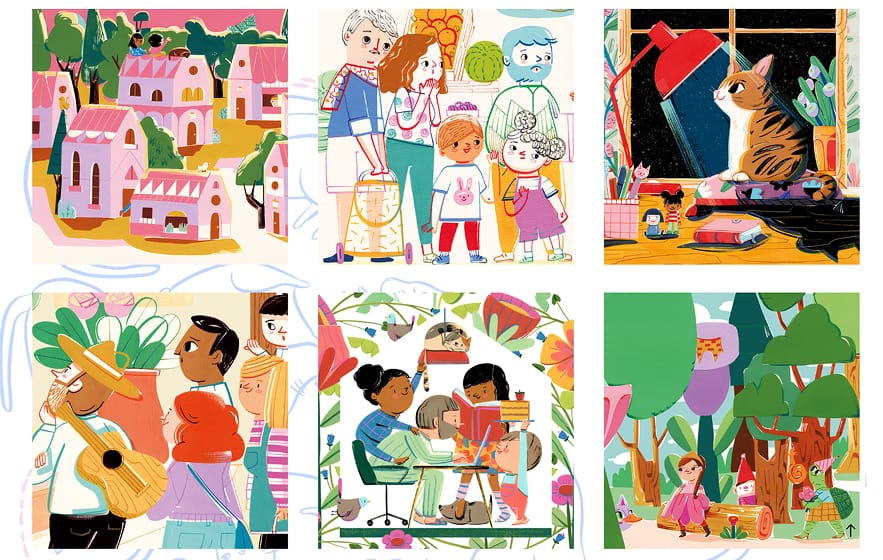
The books don’t look the same. Eng’s Frida is soft watercolours. Cachetejack, a Spanish duo, bring something almost pop-art. But they all feel the same. Same format, same arc, same weight when you hold them. The constraint holds it together. The variation keeps it alive.
Not everyone loves the formula. Rosa Parks was more than a bus seat. MLK was more than a dream. The format that makes history accessible also makes it smaller. That's the deal she made.
1. 30 Seconds to 32 Pages
She spent years doing headlines, storyboards, 30-second spots. I can be skeptical of advertising as an industry - and ironically, it does a terrible job of explaining its own value. But the skills? Condensing without losing meaning, making something connect in 30 seconds? They matter.
2. Everyone loves simplicity (in theory)
Critics call these “the Funko Pops of children’s publishing.” Everyone says they want simplicity - until someone actually delivers it, and then it’s too simple, too reductive, too neat. Her response: “You can address any issue with children - from war to segregation to sexual identity - as long as you approach it in an honest and sincere way.”
3. Same arc, different hands
Malaysia, Buenos Aires, London, Barcelona. Watercolours, pen-and-ink, digital, acrylics. 150+ artists, all different. But every book feels like it belongs to the same family. The format is the brand. The artist brings the soul.
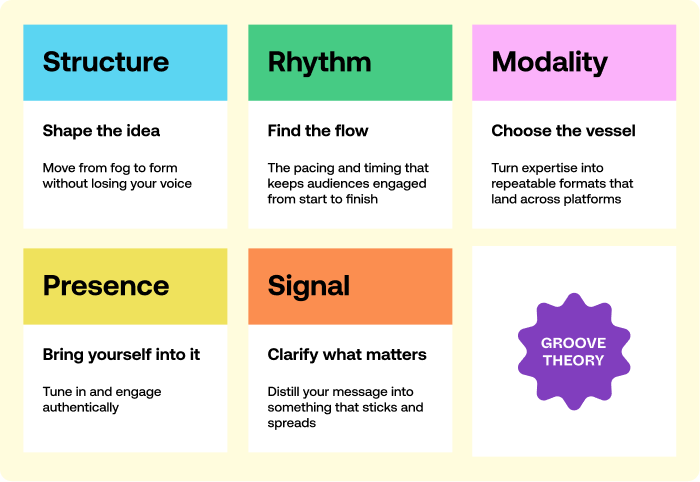
Structure is one of the five elements of Groove Theory ->
The Release
Sánchez Vegara wrote herself a note years ago: "I'll sell a million books." She stuck it on her fridge. She's at 15 million books now.
Childhood → struggles → one contribution. She's told that story 150 times. Same arc, different life.
This newsletter has its own version. Opening hook, tension, step into it, groove, release. Honestly, section headings I'm not wild about - they can feel restrictive, even formulaic, sometimes. But they mean I can keep writing. My previous newsletter was looser, more fun at first. Then it wandered. Then it got hard to write. Then it stopped.
This one is still going.
Maria Isabel Sánchez Vegara’s structure let 150 artists contribute without losing her voice. Mine lets me keep showing up. Yours might do something else entirely.
It's never as easy as it looks from the bunk bed. But the structure helps.
Howard
Extended Mix
- First book (2012): ME: The Book of Your Life - a self-published adult journal. She printed 1,000 copies and sold them over a year. The kids’ series came later.
- The workspace: She lives in a 19th-century house near Barcelona. Her office is a MacBook and a glass of water she moves around following the sunlight. 10am-5pm, one hour lunch break. (Do people actually do this? Yesterday I had three coffees before 10, forgot to eat lunch, and later spilt yogurt down my shirt.)
- Back to the dinner: Later that evening, the host cold-called me again in front of everyone: "Howard, what are you working on right now?". Me: "The NYC part of me wants to tell you all about it. The British part wants to deflect so everyone else can keep eating their dinner."
The British part won. Speaking of childhood → struggles - this might be one of mine.

Member discussion