Groove Theory #37 - A Hundred Questions
I'm your host, Howard Gray - founder of Wavetable.
Currently: running Door Policy, a daily game where one club, party or festival is real and the rest are made up; writing about Clapton football club; back in NYC this month.
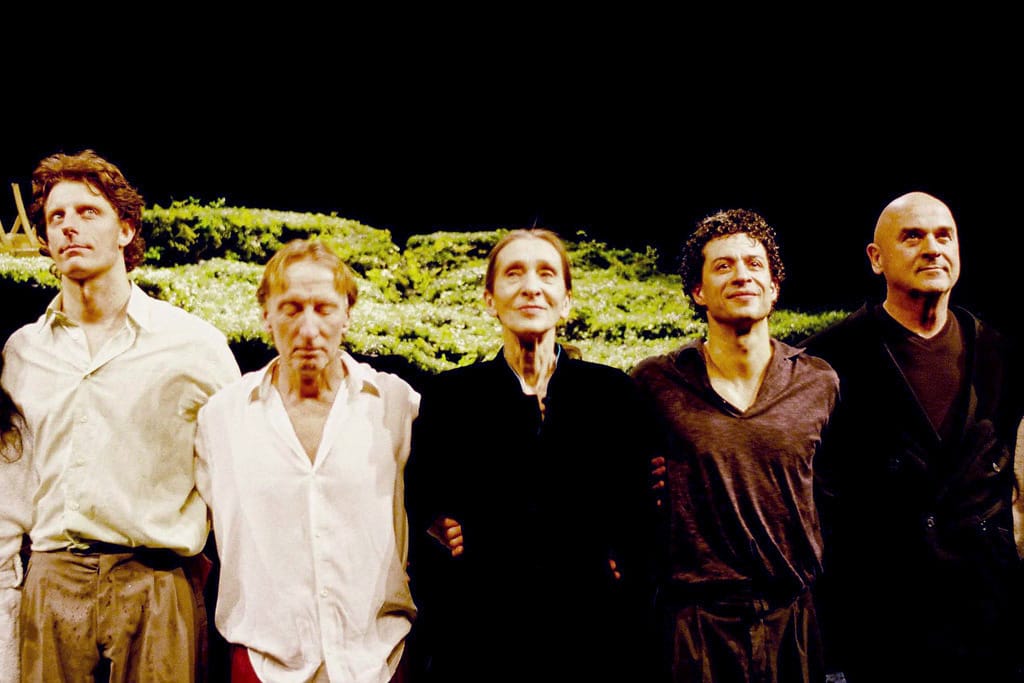
Bochum, an industrial city in western Germany, spring 1978. The city theatre has asked Pina Bausch, the choreographer who has spent five years running the dance company in nearby Wuppertal, to make her own Macbeth, and she's turned up with an odd cast: four dancers, four actors, a singer and a confectioner.
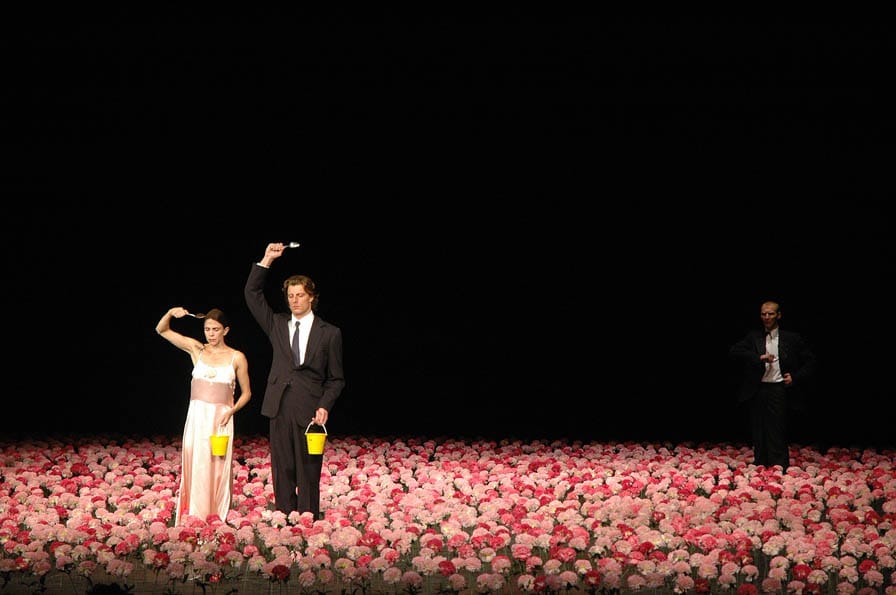
She can't teach this lot a sequence of steps. Most of them have never trained as dancers, and a phrase of movement would only show who had. In Wuppertal, meanwhile, her own company has stopped wanting to follow her.
So she reads the Bochum cast a question.
They're expected to answer it with their bodies. Something from their own lives, shown in front of everybody. Then another, and another, a few at a time over weeks. Across a rehearsal period there might be a hundred or more.
What came back - the gestures and fragments, the memories people hadn't planned to show anyone - was the raw material. She built the piece out of it. Years later she put the whole thing in one line: "I'm not interested in how people move, but what moves them."
The Tension
When you need something real out of people, the obvious thing is to ask for it.
What do you really think? Be honest!
And people, sensibly, give you the version that's safe to say in front of colleagues.
Bausch had it worse than most. Since taking over in Wuppertal in 1973 she'd been telling her dancers what she wanted, and what she wanted didn't look much like dancing. Spectators left slamming the doors. Dancers shouted at her. In 1977, making Bluebeard, she stopped telling them and started asking.
Wim Wenders' Pina, if you don't know her work. (I admit, I didn't before researching this piece...).
She asked them the questions she'd asked herself. "A way of working originated from a necessity," she said later.
Her dancers had trained for technique, which they could do in their sleep. She wanted memory - childhood, fear, tenderness - shown to the rest of the cast and used as material.
Reading that, I wince. I'd hate to be asked, and I'd hardly dare to ask.
Step Into It
In early 2019 I was invited into a coaching firm's onboarding cohort in California: twelve people, a two-day kick-off in LA, "deep personal growth work" on the agenda. Beforehand they sent a form with thirty-two questions.
What do you hide, repress and deny?
What are the personas and masks you put on and wear in the world?
Why shouldn't you be trusted?
I'd had a couple of Zooms with their team and never met the cohort. Ooof.
I answered everything, in tidy lists.
- Hide: Fear of failure. Fear of success.
- Masks: Successful entrepreneur. Extravert.
- Why shouldn't you be trusted: Tendency to get distracted by other ideas, (a classic flaw you'd offer in an interview… up there with 'I care too much!')
- What don't you want us to know about you? got That'd be telling :)
Question thirteen asked for five events that shaped me, and there I wrote about football refereeing at fifteen, players' parents shouting at me, holding back tears. That one asked what happened and got a very different answer.
It was a good programme and I learned a lot. But I spent most of it feeling like the confectioner.
Perhaps you've been the confectioner too.
I felt it again in a stand-up comedy class, which I wrote up here.
The Groove: Presence
Bausch asked her troupe for moments, not views or perspectives.
"What did Christmas dinner look like when you were a child?"
"What do you do when you feel tender toward someone?"
Ask people what they think about tenderness and you get a position, which tips into performance. Ask what they did in a moment and you get a scene, and a scene is much harder to smooth over.
In a 1982 interview she mentioned she'd asked the company that week whether anyone had ever been so frightened they wet themselves. Her verdict on the batch: "Good questions, but they don't lead us anywhere." The dancers reportedly lost patience somewhere around the 121st question.
In rehearsals for Nelken, in 1982, the prompt was "Do something you're proud of." Lutz Förster had spent a holiday in California learning sign language, and he signed her The Man I Love. It went into the piece, set to Sophie Tucker's record. By Förster's account, Bausch then choreographed every gesture of it herself and left him to work out how to join them up.
The Man I Love from Nelken, danced here by Hans Beenhakker at Wuppertal Tanztheater.
You don't need a rehearsal room for this. Next time you'd ask someone what they think, ask what happened instead.
1) A moment, not a view.
"What do you think?" asks for an opinion, and people choose their opinions carefully in front of colleagues. "When did this last go wrong?" asks for something that happened, which is harder to polish.
2) Start shallow.
"What went well this week?" is easy to answer honestly. "What do you hide, repress and deny?" is not, especially from people you haven't met. Earn the deeper ones. More in Question Design.
3) Most questions miss.
One big personal question in a single afternoon (or on a survey form) puts a group on guard. Lots of small ones over weeks make answering ordinary, and a few get a real answer.
The Release
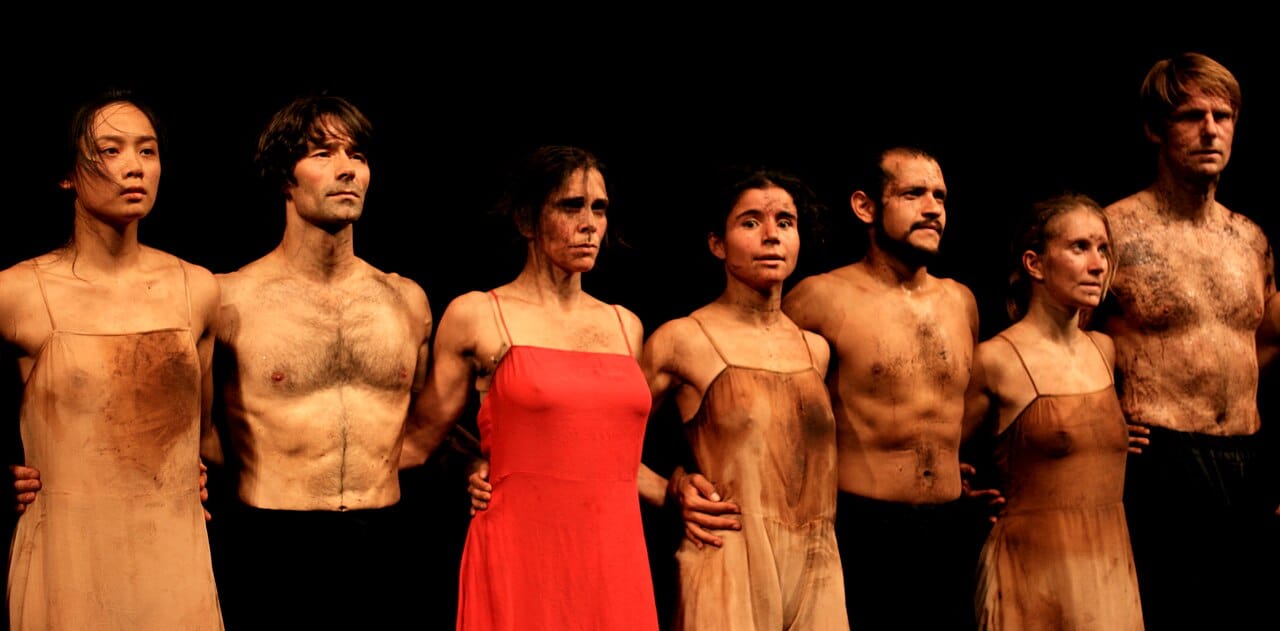
From Bochum on, nearly everything she made began the same way: a question, then whatever came back. She made pieces in residence in cities from Rome to Hong Kong. Almodóvar opened Talk to Her with Café Müller.
Bausch died in 2009, five days after a cancer diagnosis. The company still performs the work.
Wenders took the title of his film from a line she was known for:
Dance, dance, otherwise we are lost.
Howard
P.S. After much procrastination, this weekend I've finally started making mixtapes again. "Dance, dance, otherwise we are lost" feels like a good mantra.
Extended Mix
- In her own words. She started asking questions on Bluebeard (1977) and developed the method in Bochum the year after. Her account is in her 2007 Kyoto Prize lecture, What moves me, including the confectioner. The prompts were later printed in programmes as Stichworte, keywords: what can lie behind a smile, tenderness you can't stand.
- Kontakthof was later restaged twice with non-dancers: once with people over 65 (2000), once with teenagers (2008). Same steps, different people, and the piece reads completely differently.

Member discussion